Оставить сообщение
Если вы заинтересованы в нашей продукции и хотите узнать более подробную информацию, пожалуйста, оставьте сообщение здесь, мы ответим вам, как только сможем.


Анализ распространенных дефектов качества белого камня | Распространенные дефекты качества белого камня и мрамора
Белый камень, особенно белый мрамор, широко используется в отделке интерьеров и экстерьеров благодаря своей чистой и элегантной текстуре. Однако в процессе обработки, установки и эксплуатации часто возникают некоторые распространенные дефекты качества, влияющие как на эстетику, так и на долговечность. Ниже приводится анализ основных проблем и их причин.
Введение в основные свойства белого камня
| Категория | Мрамор Арабескато | Белый мрамор Калакатта | Мрамор Волакас | Белый мрамор Аристон |
| Фото |
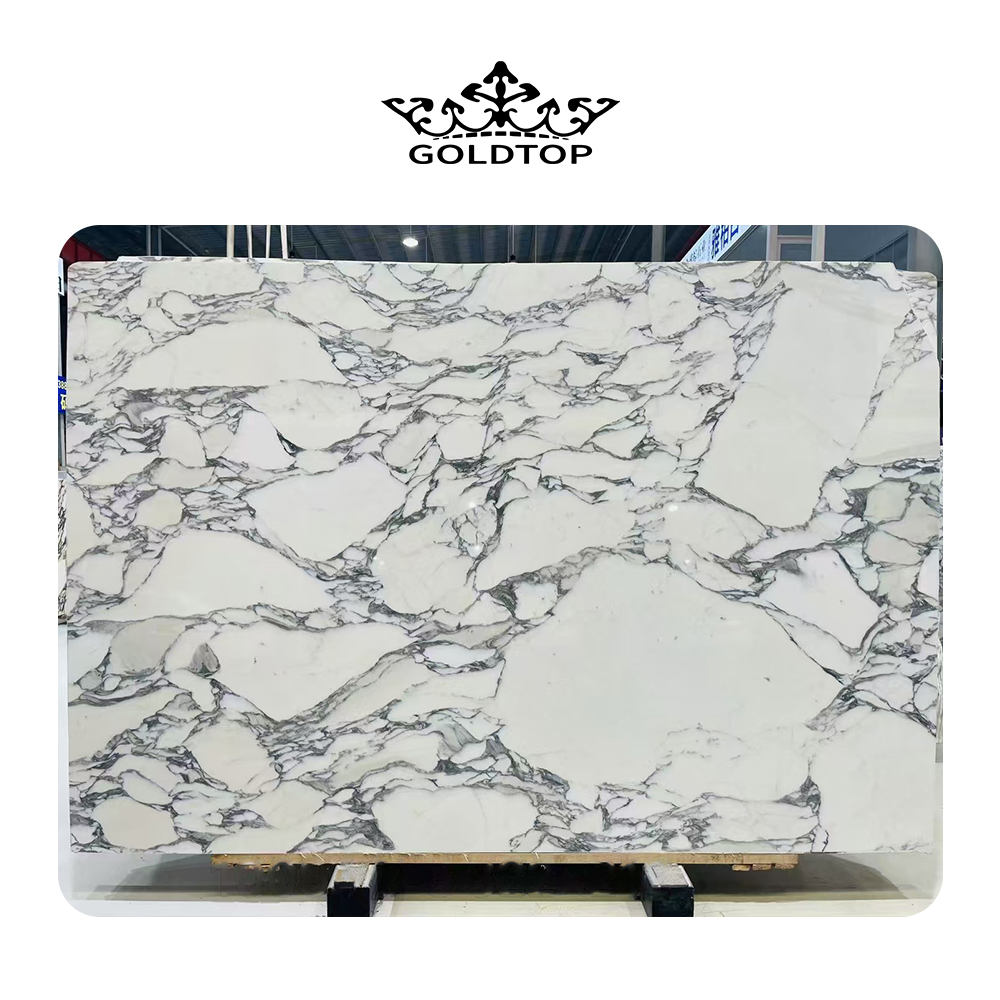
|
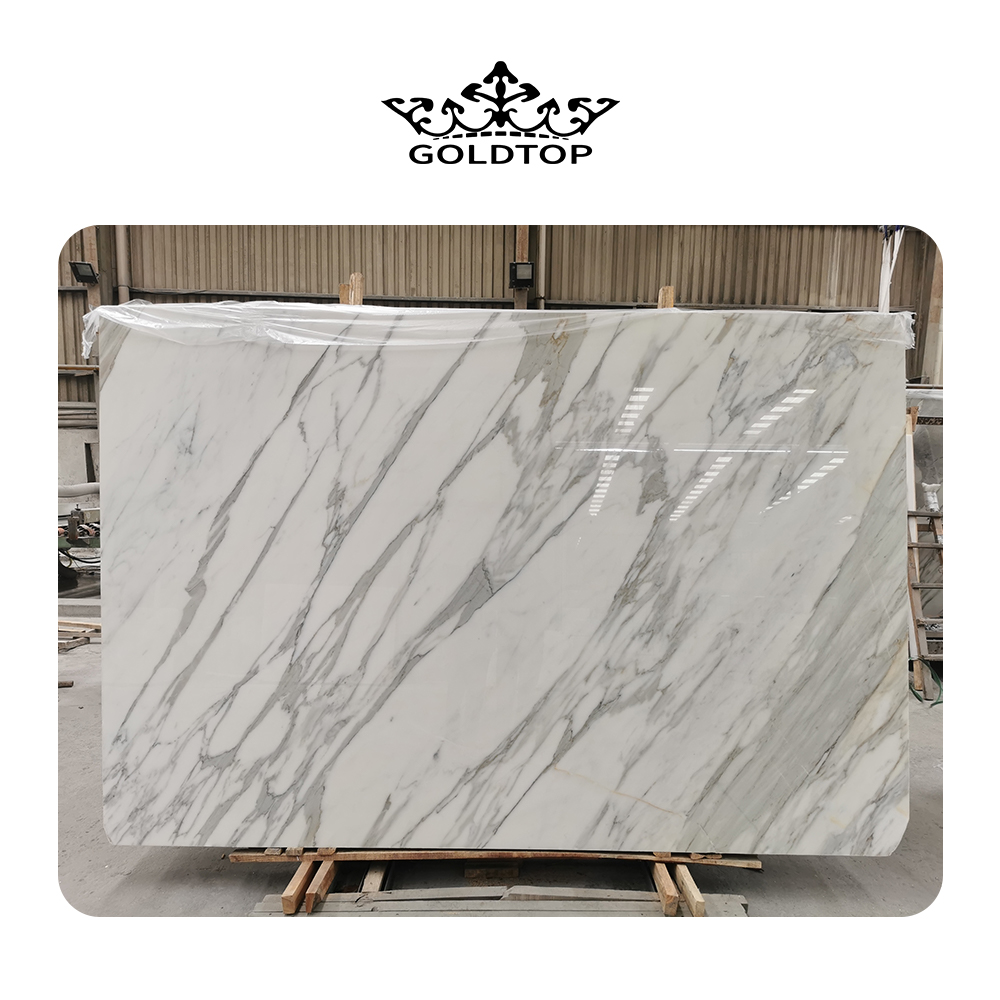
|
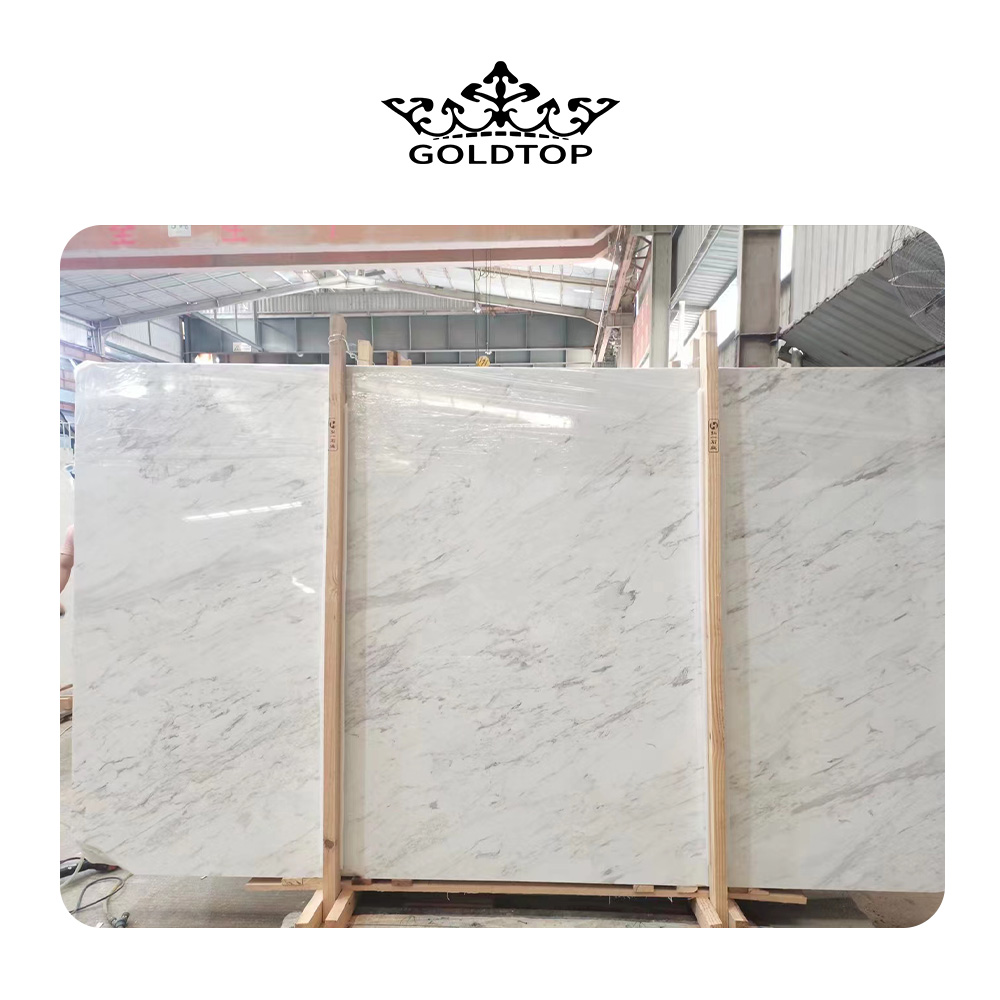
|
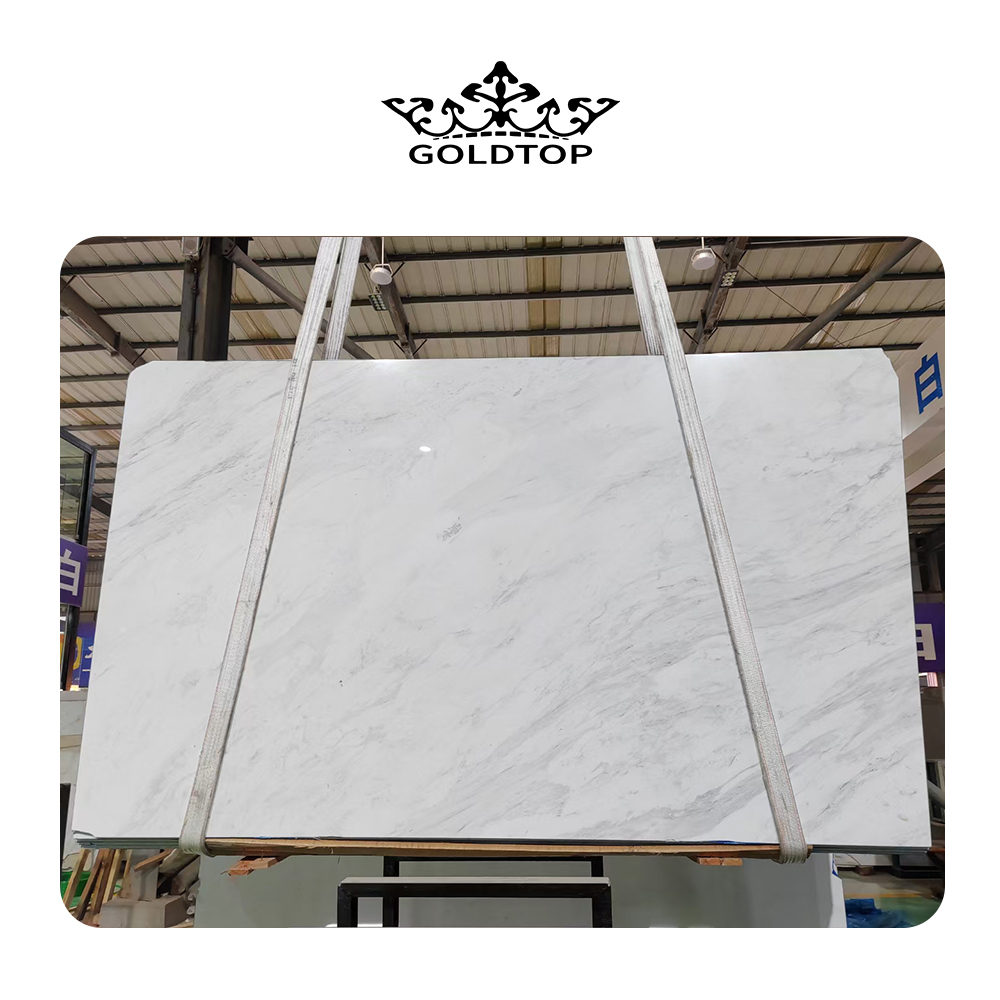
|
| Источник | Италия | Италия | Греция | Греция |
| Плотность (г/см³) | 2.72 | 2.72 | 2.63 | 2.76 |
| Водопоглощение (%) | 0,14 | 0,18 | 0,18 | 0,28 |
| Твердость по шкале Мооса | 51 | 59 | 56 | 61 |
| Прочность на изгиб (МПа) | 7 | 7 | 11.12 | 18.1 |
| Прочность на сжатие (МПа) | 114 | 139 | 130 | 140 |
| Характеристики | Темно-серые прожилки, мелкозернистая структура, классический белый мрамор | Естественные, плавные прожилки, гладкие и элегантные, с богатым природным характером. | Белый оттенок, напоминающий нефрит, тонкая текстура, элегантный внешний вид, относительно мягкий. | Молочно-белый фон со светло-серыми и темно-серыми прожилками, напоминающими горный пейзаж. |
1. Выцветание и кальцификация
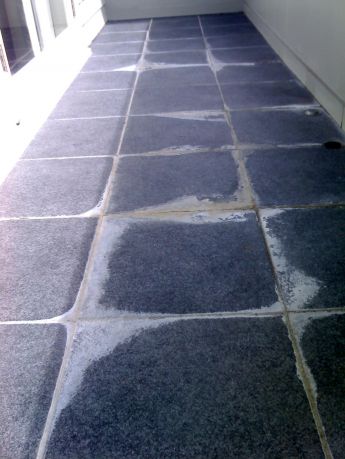
В процессе влажной укладки щелочные вещества (такие как CaSiO₃) в цементном растворе гидролизуются в присутствии воды, образуя ионы кальция и гидроксид-ионы. Эти вещества мигрируют на поверхность через капиллярные поры или швы камня. После испарения воды остается белый порошкообразный осадок, известный как высолы. Когда эти щелочные вещества вступают в дальнейшую реакцию с CO₂ и SO₂ в воздухе, образуя такие соединения, как карбонат кальция и сульфат кальция, происходит кальцификация. Кальцификация может сильно разрушать поверхность камня, ухудшая его блеск и структуру.
2. Окрашивание и изменение цвета
Микроскопические поры камня способны впитывать жидкости и загрязнения. Водорастворимые или маслорастворимые красящие вещества проникают в эти поры, образуя органические пятна, которые трудно удалить. К распространенным источникам загрязнения относятся:
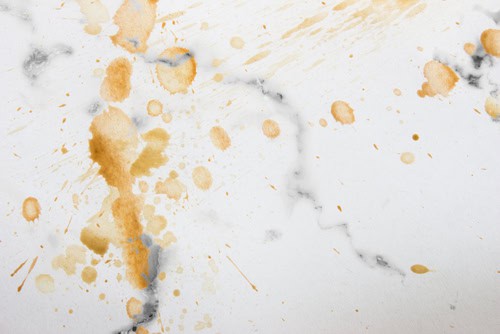
Черный: Смола, пыль, следы обуви и т. д.
Жёлтый/Коричневый: Ржавчина, кофе, моча, некачественные клеи и т. д.
Синий/Зеленый:
Коррозия меди, чернила, водоросли и т. д.
Кроме того, остатки этикеток и клейких лент, использованных во время строительства, могут вызывать локальные пятна.
3. Пожелтение
Белый мрамор (например,
Мрамор Арабескато
,
Белый мрамор Калакатта
,
Мрамор Волакас
Белый мрамор Аристон
Этот вид особенно подвержен пожелтению. Основные причины включают:
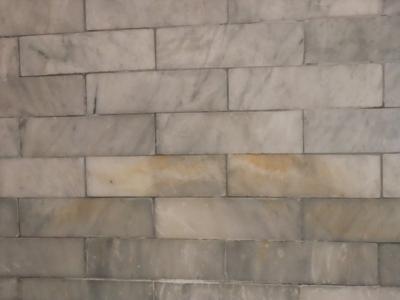
Недостаточная защита: Проникновение влаги приводит к окислению элементов железа внутри камня с образованием оксида железа.
Загрязнение в процессе обработки: Ржавчина от оборудования загрязняет обратную сторону камня.
Внешний контакт: Ржавчина от железных инструментов или приспособлений оставляет пятна на камне.
Ненадлежащее техническое обслуживание: Использование кислотных чистящих средств или некачественных восков вступает в реакцию с компонентами камня, вызывая пожелтение.
4. Цветовые вариации
Различия в цвете могут быть вызваны следующими причинами:
Исходные каменные блоки добываются из различных карьерных жил или пластов.
Отсутствие научной структуры и нумерации после обработки.
Установка выполняется не в соответствии с последовательностью пакетов.
Химические реакции между связующим материалом и камнем.
Факторы окружающей среды: Воздействие ультрафиолетового излучения, эрозия кислотными дождями и окисление химических компонентов могут привести к постепенному выцветанию или потемнению камня.
Заключение
Для обеспечения красоты и долговечности белого камня необходим строгий контроль на всех этапах: от выбора материала и его защиты до установки и обслуживания. Выбор устойчивого белого мрамора, использование сухой укладки или специальных клеев для уменьшения образования высолов, комплексная защита со всех шести сторон перед установкой и регулярный уход с использованием чистящих средств с нейтральным pH могут значительно снизить вероятность возникновения вышеупомянутых дефектов качества.



 Поддерживается сеть IPv6
 Ваш язык
 English
 français
 Deutsch
 italiano
 español
 العربية
 日本語
日本語 한국의
한국의 中文
中文